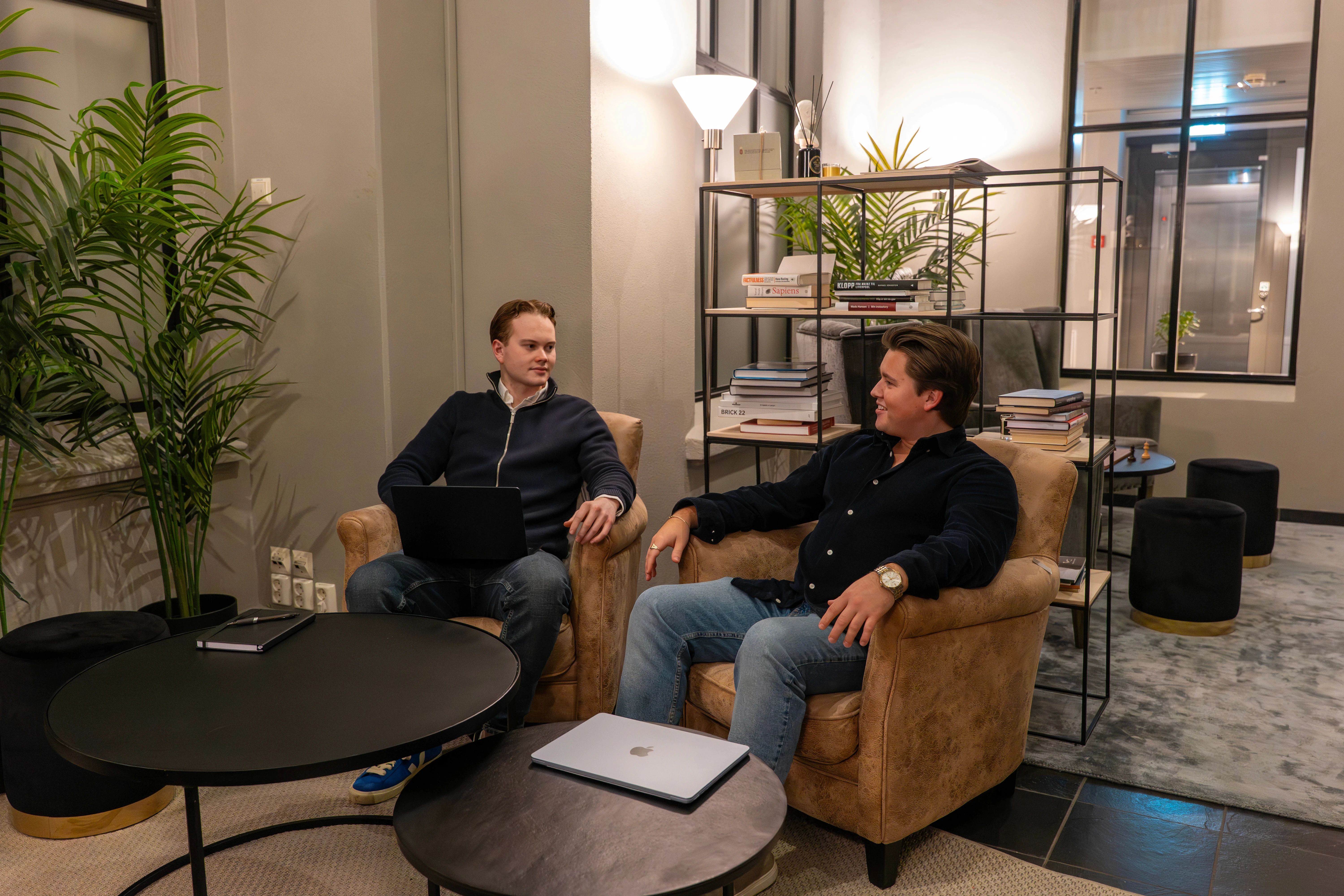

Shopify and Harris Poll surveyed founders and aspiring entrepreneurs across the US, Canada, the UK, Australia and France. The conclusion is clear: the technical barriers to starting a business have fallen sharply, but the psychological barrier, the feeling of being "ready", still remains.
The readiness paradox
In the US, 93 percent of aspiring founders say they feel at least somewhat ready to start a business, and more than half say they could start today. Yet they haven't. That gap between feeling ready and actually starting is what Shopify calls the "preparedness paradox": people wait for a feeling that only arrives after they've started.
Technology has lowered the bar
Across markets, between 61 and 84 percent say starting a business is easier today than ever, and requires less formal training. AI and modern tools are named as the main reason, alongside platforms that let founders reach customers without a large budget.
Those who succeed didn't wait to feel ready
In four of five markets, around 70 percent of founders say they worked through their earliest challenges through trial and error rather than a ready-made playbook. Up to 57 percent of those who waited before launching wish they had started sooner, not that they had prepared more.
Money is still the biggest obstacle
Even though the "readiness" feeling is the biggest psychological barrier, money remains the most commonly cited practical one, named by 38 to 46 percent across markets. Many founders still start small, with a limited first inventory order or a store built over a weekend, and build from there.
The takeaway: ready is a decision, not a feeling
The tools to start are here, and the distance between idea and action has never been smaller. The survey points to one clear pattern: you don't become ready and then start. You start, and become ready along the way.